How can youth work become more practical, healthier, and more connected to the real needs of local communities?
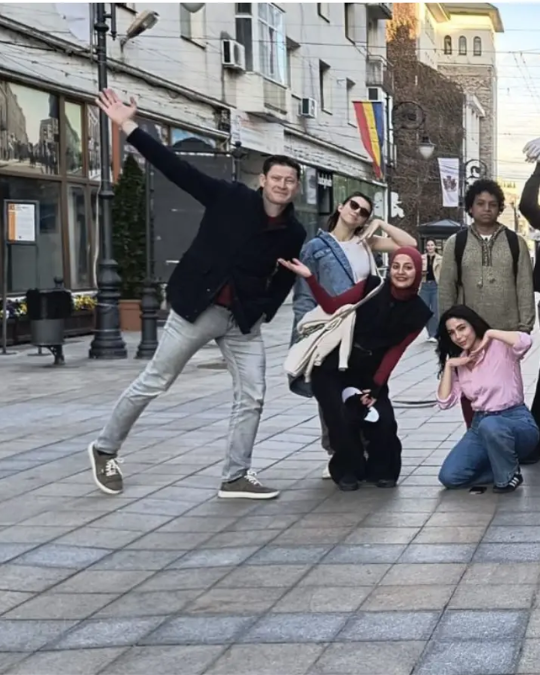
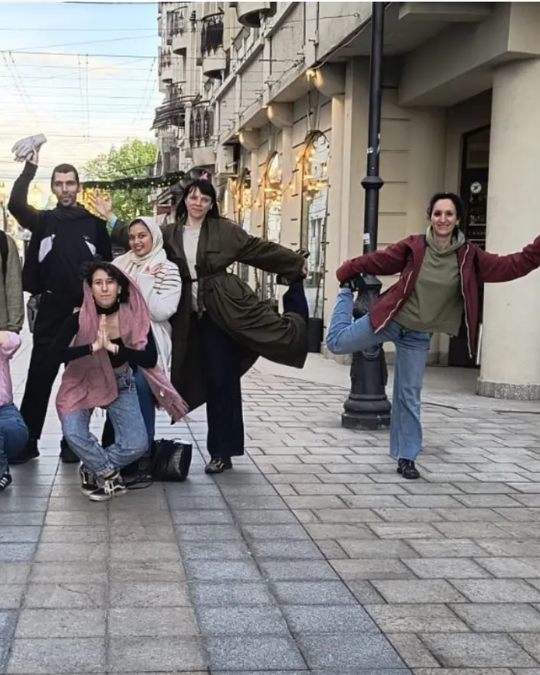
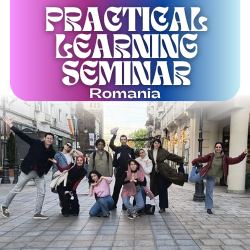
Between 17–26 April 2026, Asociația Super Tineri (ASIRYS) organized Network Jam, an Erasmus+ seminar for youth workers, facilitators, project coordinators and representatives of youth organizations. Young Researchers of Serbia participated in the project through its volunteer representative Milan Subotic, who contributied to discussions, learning activities, and international cooperation.
The seminar focused on an important question: how can youth work become more practical, healthier, and more connected to the real needs of local communities? Throughout the eight-day programme, participants explored practical methods, reflected on their own experiences, and exchanged knowledge gained from Erasmus+ Programme and European Solidarity Corps (ESC) projects.
A strong part of the seminar was dedicated to working with emotions in youth work. Participants explored methods that can help young people recognize and express emotions such as anxiety, fear, loneliness, shame, frustration or demotivation. The approach was clear: youth workers are not therapists, but they can create safer spaces where young people feel seen, listened to and supported.
Network Jam also looked at what makes youth projects work well. Through practical exercises, participants analysed common problems in international projects: unclear roles, weak cooperation, poor follow-up, lack of local ownership and activities that are attractive on paper but disconnected from the real needs of young people. These discussions helped the group define clearer principles for quality youth work: responsibility, preparation, trust between partners, realistic planning and meaningful local involvement.
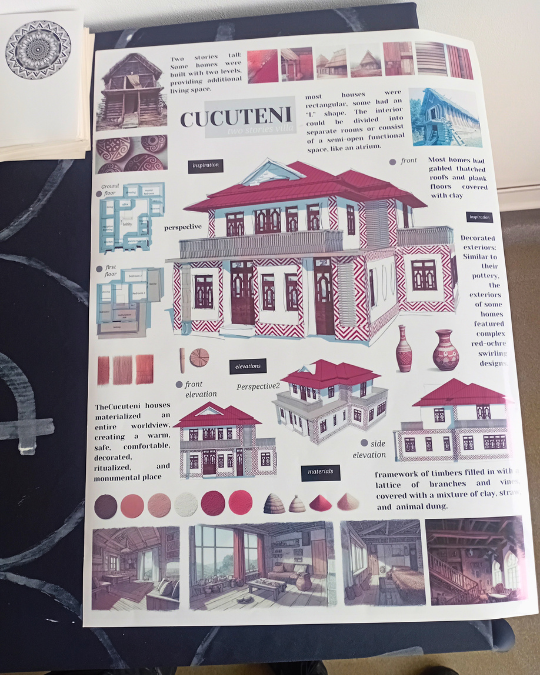
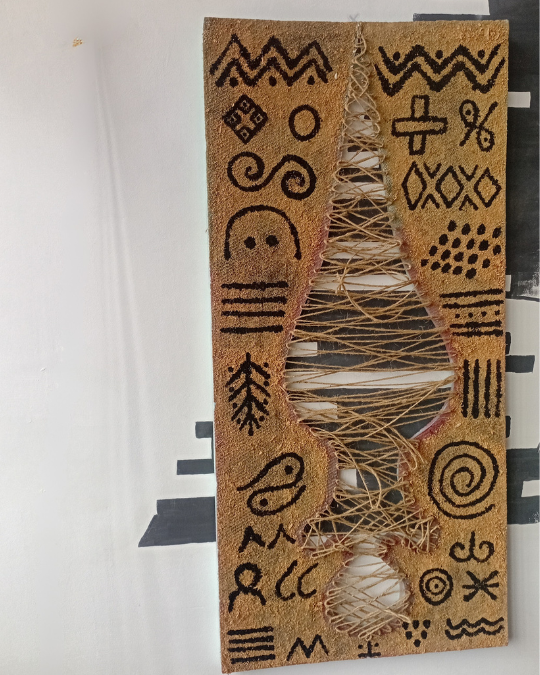
The learning process was connected to the local context of Târgu Frumos. Participants visited alternative educational spaces developed by Super Tineri, including the Cucuteni Museum, the Alternative Rroma Museum and the Emotions Museum. They evaluated these spaces as non-formal learning methods, looking at how art, heritage, identity and emotions can be used in education.
One of the most important moments of the seminar took place in Hălăucești, where participants facilitated workshops with local young people and teachers. This field lab allowed them to test their methods in a real setting, adapt to different group dynamics and understand how teenagers respond to activities focused on emotional awareness.
The final part of Network Jam focused on future cooperation. Participants developed new project ideas, identified possible partners, reflected on their learning and created dissemination actions. The seminar ended with concrete ideas for future Erasmus+ and ESC collaborations.
The project was funded by the European Union, through Erasmus+ Programme. Views and opinions expressed are however those of the author(s) only and do not necessarily reflect those of the European Union or the National Agency for Community Programs in the Field of Education and Vocational Training (ANPCDEFP). Neither the European Union nor ANPCDEFP can be held responsible for them