How can we tell when companies are genuinely environmentally responsible and when they use sustainability merely as a marketing tool? What lies behind the labels on our clothes and products advertised as “eco-friendly”? And how can consumers distinguish genuine sustainable practices from misleading claims? Participants explored these questions during workshops on responsible consumption and sustainable business practices held at two international workcamps organised by Young Researchers of Serbia in the summer of 2026.
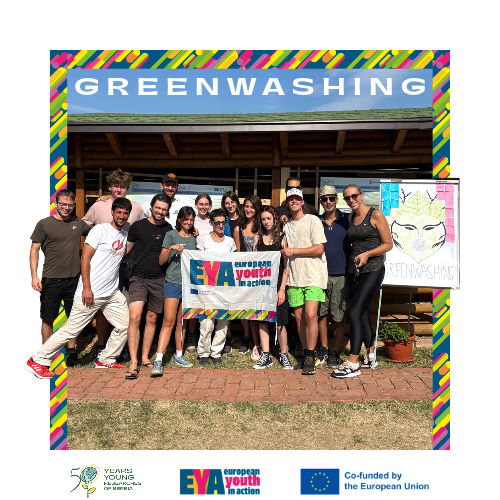
The workshops on greenwashing took place within the international workcamps “Windmill Festival”, held from 30 July to 10 August, and “Gruzas Eco Mission”, held from 15 to 25 August 2025. Through interactive exercises, group discussions and practical examples, participants explored how companies communicate their environmental responsibility, how misleading sustainability claims influence consumer behaviour, and how to identify genuinely responsible business practices.
The workshops aimed to encourage participants to critically assess the environmental messages they encounter in advertisements, on product packaging and in corporate communication. Particular attention was given to understanding the difference between concrete actions that contribute to environmental protection and marketing strategies designed to create the impression of environmental responsibility.
What Is Greenwashing, Really?
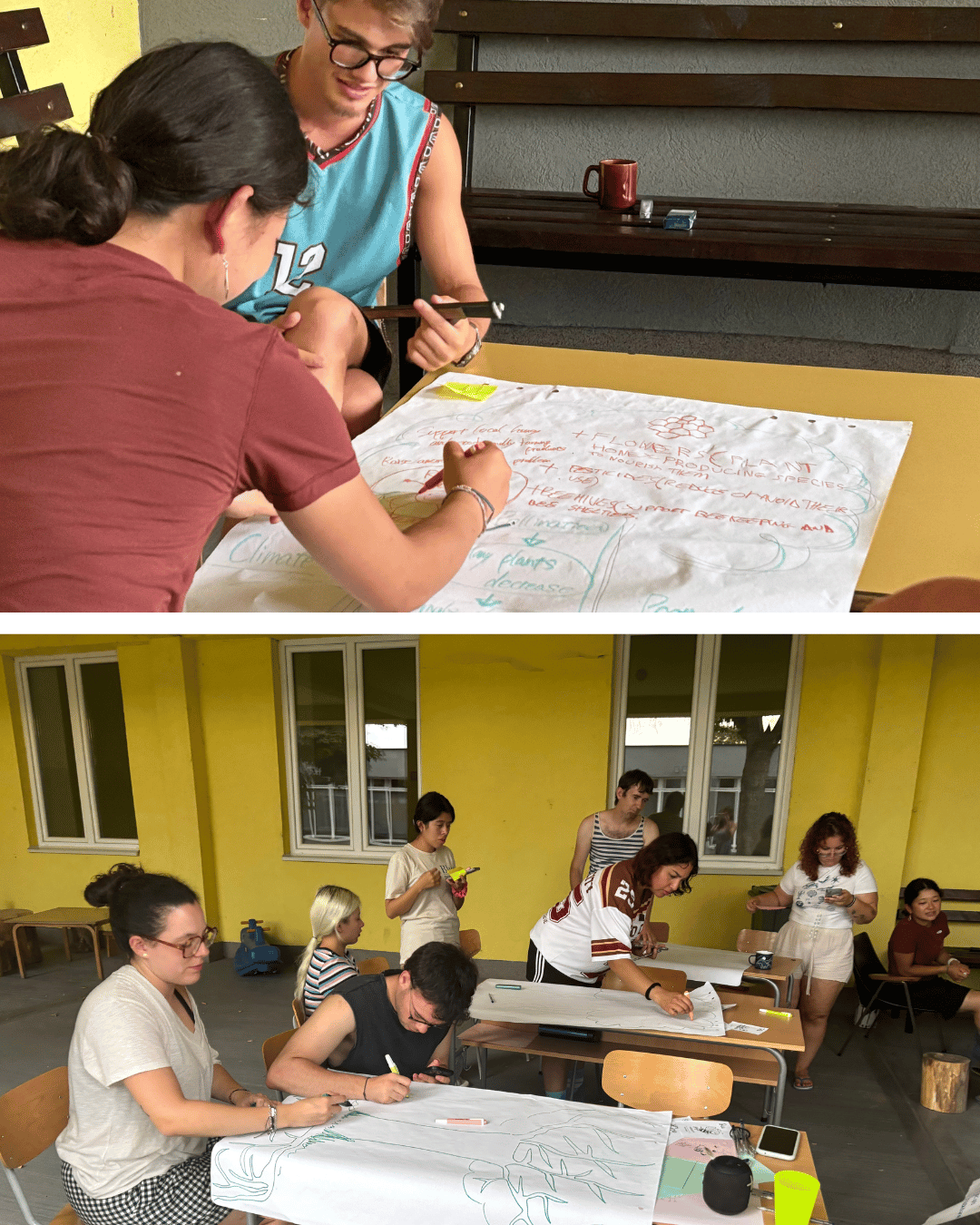
The workshops began with the activity “Define Greenwashing”, which invited participants to share their initial understanding of the concept and provide examples of companies they believed engaged in misleading environmental communication.
Their responses were written on sticky notes and displayed on a shared flip chart. Following the exchange of ideas, facilitators introduced the definition of greenwashing and presented real-world examples, helping participants develop a clearer understanding of the phenomenon and how it can appear in corporate communication.
The activity opened up a discussion about corporate accountability for the information shared with the public and the importance of critically evaluating claims that present certain products or services as environmentally friendly.
Global Brands Under the Spotlight: How to Distinguish Sustainability from Marketing
During “Recognizing Greenwashing in Global Brands”, participants were divided into three groups and asked to assess a list of 20 well-known brands. Their task was to identify examples of greenwashing while also recognising companies whose business practices included genuine sustainability efforts.
The activity combined teamwork, friendly competition and facilitated discussion. By examining examples of misleading marketing campaigns, participants learned to question environmental claims and assess whether they were supported by concrete actions.
An important aspect of this exercise was the opportunity to apply newly acquired knowledge to brands participants encounter in their everyday lives, developing practical skills for critically evaluating sustainability information.
What’s Behind Your Label?
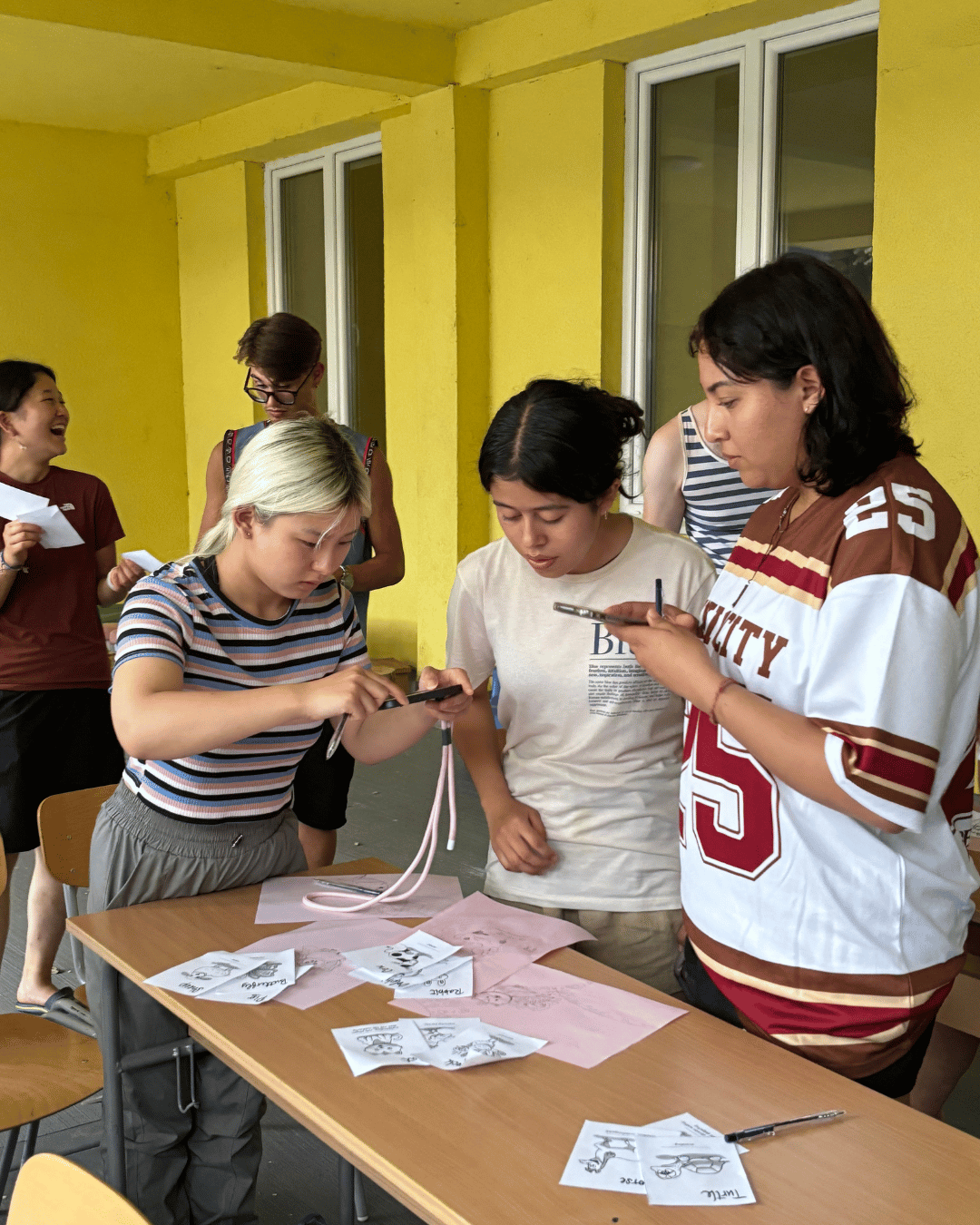
The activity “What’s Behind Your Label?” focused on the clothing industry and consumer responsibility. Participants examined the labels on their own T-shirts to identify where their clothes were produced and whether their brands were associated with the fast fashion business model.
This simple practical exercise served as a starting point for a discussion about the environmental and social consequences of global clothing production. Participants explored the hidden costs of cheap clothing and considered how much information about the origin and production processes of garments is actually available to consumers when making purchasing decisions.
The discussion highlighted the importance of informed choices and more responsible consumption, encouraging participants to consider not only the price and appearance of products but also their wider environmental and social impacts.
Green or Greenwashed? When Sustainability Becomes a Matter of Debate
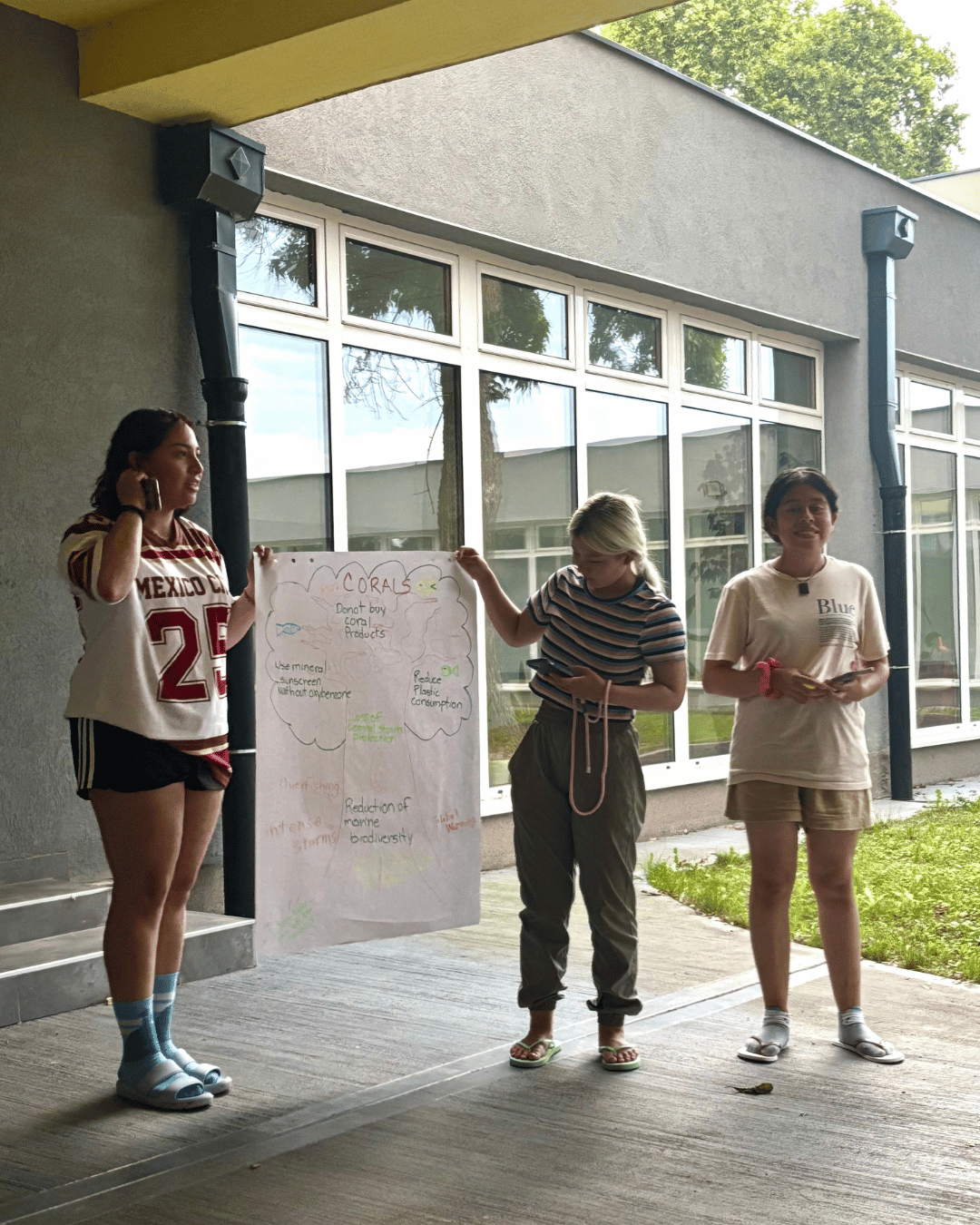
One of the most engaging activities was “Green or Greenwashed?”, a role-playing exercise in which participants represented judges, a genuinely environmentally responsible company and a company using greenwashing practices.
Both companies had the opportunity to present their arguments and explain their business practices, while the judges asked questions before deciding which company demonstrated genuine environmental responsibility.
The exercise demonstrated how difficult it can be to distinguish credible corporate sustainability efforts from misleading marketing. It also raised an important issue concerning public trust: when greenwashing becomes widespread, consumers find it increasingly difficult to identify and support companies that are genuinely making efforts to operate more sustainably.
From Informed Consumers to More Responsible Businesses
Throughout the workshops, participants identified several key concerns: companies using sustainability as a marketing tool while continuing environmentally harmful practices, vague environmental claims without reliable evidence or certification, and insufficient transparency regarding production processes and supply chains.
Particular attention was given to the difficulties consumers face when trying to distinguish genuinely sustainable brands from those that merely present themselves as such. Participants also highlighted how the excessive use of green imagery, environmental symbols and sustainability-related buzzwords can obscure the actual environmental impact of products and services. As a result, greenwashing not only undermines consumer trust but can also damage the reputation of companies genuinely striving to operate responsibly.
In response, participants emphasised the importance of environmental education, media literacy and critical thinking. They encouraged consumers to support businesses with credible sustainable practices, consider the environmental and social consequences of their purchases, and approach marketing messages with a critical perspective.
One practical proposal was to develop a digital platform or mobile application where people could share and assess examples of sustainable brands, helping consumers identify more trustworthy alternatives. Participants also highlighted the role of civil society organisations in monitoring corporate practices, exposing greenwashing and organising public awareness campaigns and educational workshops.
Beyond consumer and civil society responsibility, participants stressed the importance of governments and the European Union. They called for clearer regulations and their effective enforcement to prevent misleading environmental advertising. Proposed measures included mandatory transparency standards, independent verification of environmental labels and corporate sustainability reports, and financial incentives for companies that meet clear sustainability standards and demonstrate genuine environmental responsibility.
As a long-term solution, participants proposed integrating environmental ethics, sustainability communication and media literacy into educational curricula, alongside continued workshops and school activities. They also highlighted the importance of presenting practical examples of more sustainable alternatives to popular brands and teaching consumers how to read product labels and assess the credibility of environmental claims.
The workshops demonstrated that tackling greenwashing requires more than individual awareness and responsible consumer behaviour. It depends on transparent corporate communication, reliable verification of sustainability claims, effective legislation, and the active involvement of civil society organisations and educational institutions.
Because sustainability is not simply a message companies communicate to the public – it is a responsibility that must be reflected in their actual practices.
“Sustainability is not a slogan, it’s a responsibility.”
About Project:
Workshops at international volunteer camps were held as part of the EYA – European Youth in Action project, which aims to empower young people across Europe to participate in discussions and decision-making on issues of climate justice. The project specifically deals with energy transition, greenwashing and biodiversity protection.